Choosing a Smart Body Composition Scale supplier requires more than comparing prices or glossy product photographs. Worldwide buyers need evidence of measurement quality, manufacturing consistency, software stability, and responsive technical support. This guide examines established suppliers through practical criteria. These include sensor design, impedance accuracy, data security, app integration, warranty terms, and production capacity. Real performance matters. A scale may look precise yet produce inconsistent readings on a cold floor or after poor user positioning. Experienced suppliers explain these limits clearly and provide practical testing guidance.
The strongest manufacturers usually combine engineering expertise with documented quality systems and traceable production processes. Their teams should share calibration methods, test conditions, firmware policies, and independent verification where available. Certifications can support confidence, but they do not replace hands-on evaluation or transparent specifications. Buyers should also assess regional service networks, replacement-part availability, packaging quality, and target-market compliance requirements. These details become important when hundreds of devices serve gyms, clinics, hotels, or wellness platforms.
This overview compares leading Smart Body Composition Scale suppliers across global markets. However, “best” depends on the use case. Clinical environments may prioritize repeatability and data workflows. Fitness businesses may value durability, speed, and fleet management. Home users often need simple setup and readable insights. Some supplier claims remain difficult to verify without sample testing. That is worth remembering. Independent trials, customer feedback, and pilot orders can reveal issues hidden by marketing language. The goal is not to promise perfect measurements, but to support a careful, evidence-based purchasing decision.
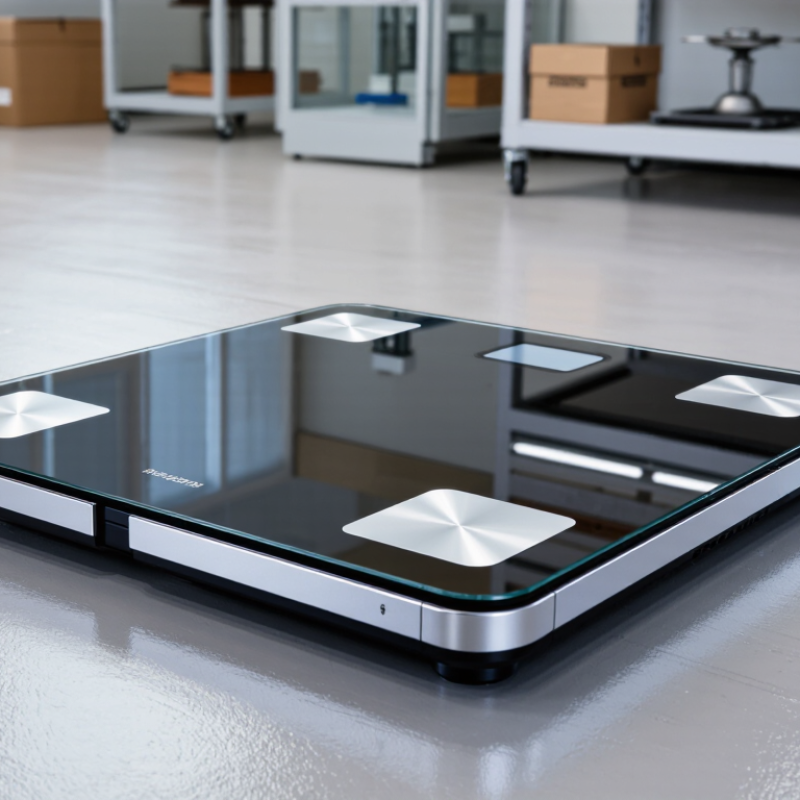
Smart Body Composition Scale Suppliers: Market Scope and Product Categories
The global market for smart body composition scale suppliers serves homes, gyms, clinics, and wellness programs. Demand is growing as users seek more than body weight readings. Suppliers now offer basic Bluetooth scales, advanced segmental analyzers, and professional systems with hand and foot electrodes. Each category serves a different buying purpose.
Home models usually measure weight, body fat, muscle mass, water, and bone indicators. Their value depends on stable sensors, clear apps, and repeatable readings. Commercial models often support heavier users, multiple profiles, and frequent operation. Clinical-grade equipment may provide stronger measurement control, but it usually requires trained operators and careful setup. No scale is perfectly clinical. Hydration, meals, exercise, and skin contact can change results.
Tips: Check electrode placement, maximum capacity, data security, and app compatibility before purchasing. Ask suppliers for testing evidence, calibration details, and product training. During practical evaluations, compare readings under similar conditions. A morning reading may differ from an evening result. That is normal, but unexplained variation deserves attention. Suppliers with transparent specifications and responsive technical support are easier to trust across international markets.
Core Technologies Used by Leading Body Composition Scale Suppliers
Leading body composition scale suppliers increasingly rely on bioelectrical impedance analysis (BIA). The method sends a mild electrical current through the body. Electrodes measure resistance, or impedance, across different tissues. Muscle usually conducts better than fat because it contains more water. Multifrequency BIA adds several currents, improving estimates of intracellular and extracellular water.
Segmental measurement is another important technology. It separates readings for the arms, legs, and trunk. Better devices combine these signals with height, weight, age, and sex. Advanced algorithms then estimate body fat, muscle mass, visceral fat, and water balance. A 2024 MarketsandMarkets report identifies connected health devices as a major growth area, driven by wireless monitoring and home data access. The same trend affects smart composition scales, although market forecasts differ between research firms.
Tips: Check electrode contact, stand barefoot, and measure at similar times. Hydration changes results. So does exercise. A 2023 review in the Journal of Clinical Medicine noted that BIA accuracy can shift with food intake, recent activity, and fluid distribution. Suppliers should explain these limits clearly. I would not treat one reading as medical truth. That shortcut is tempting, but incomplete. Look for repeated trends, transparent validation studies, and compatibility with recognized reference methods, such as dual-energy X-ray absorptiometry. Data encryption and consent controls also matter when scales transfer measurements through mobile applications.
Key Factors for Comparing Global Scale Suppliers
Top Smart Body Composition Scale Suppliers Worldwide
Key Factors for Comparing Global Scale Suppliers
Comparing global suppliers requires more than checking catalog prices. In practical evaluations, I examine measurement repeatability, sensor placement, electrode quality, and calibration records. A scale should produce similar readings under controlled conditions. Test it after repeated use, not only during a product demonstration. Small differences matter.
Ask suppliers for independent laboratory reports and clearly stated testing methods. Bioelectrical impedance results can change with hydration, skin contact, and foot position. Reliable suppliers explain these limits instead of promising medical-level certainty. They should also provide manuals, software documentation, and traceable quality procedures. Vague claims deserve careful questions.
Look beyond hardware. Check minimum order quantities, sample availability, production lead times, packaging strength, and replacement policies. A damaged shipment can erase a low unit price. Review data protection practices, regional certifications, and device compatibility before signing an agreement. Customer support should answer technical questions promptly, preferably with named contacts and service targets. That detail builds confidence.
A polished dashboard is not proof.
I also compare firmware update policies and integration options. Some suppliers offer attractive prototypes but weak long-term support. This is easy to miss. Request a pilot batch and record readings across different users, rooms, and floor surfaces. The results may expose inconsistencies that brochures never mention. Even experienced buyers can overvalue appearance and underestimate after-sales work.
Top Smart Body Composition Scale Suppliers Worldwide - Key Factors for Comparing Global Scale Suppliers
Anonymized comparison of supplier capabilities, product specifications, compliance coverage, and commercial readiness
| Supplier Profile |
Primary Manufacturing Region |
Supplier Type |
Body Composition Technology |
Typical Weight Capacity |
Typical Weight Resolution |
Connectivity Options |
Electrode Configuration |
Common Compliance Coverage |
Customization Capability |
Best-Fit Buyer |
| Supplier Profile A |
East Asia |
Large-scale OEM/ODM manufacturer |
Bioelectrical impedance analysis (BIA) |
180–200 kg |
50–100 g |
Bluetooth Low Energy; optional 2.4 GHz Wi-Fi |
Four stainless-steel foot electrodes |
CE, RoHS, FCC, UKCA available by market |
High; enclosure, firmware, packaging, and app localization |
Retailers and private-label consumer electronics brands |
| Supplier Profile B |
East Asia |
Mid-sized smart hardware OEM |
Single- or multi-frequency BIA |
150–180 kg |
50 g |
Bluetooth Low Energy |
Four foot electrodes; optional hand-held extension |
CE, RoHS, FCC commonly supported |
Medium to high; logo, color, carton, and mobile SDK options |
Online sellers and regional distributors |
| Supplier Profile C |
Southeast Asia |
Export-oriented contract manufacturer |
Foot-to-foot BIA |
150–180 kg |
100 g |
Bluetooth Low Energy; some models support Wi-Fi |
Four foot electrodes |
CE, RoHS, FCC, and selected regional requirements |
Medium; standard platforms with limited mechanical changes |
Cost-sensitive importers and general merchandise distributors |
| Supplier Profile D |
Europe |
Specialized connected-health equipment supplier |
Validated BIA platform with digital health integration |
180–200 kg |
50–100 g |
Bluetooth Low Energy; Wi-Fi on selected models |
Four or eight electrodes depending on model |
CE, RoHS, GDPR-oriented data controls; market-specific testing |
Medium; stronger software and data-integration support |
Clinics, wellness platforms, and professional distributors |
| Supplier Profile E |
North America |
Connected-health solution provider |
BIA with cloud dashboard and API connectivity |
180–200 kg |
50–100 g |
Bluetooth Low Energy; Wi-Fi; cloud API |
Four electrodes; professional configurations may use eight |
FCC, UL-related component requirements, privacy and cybersecurity controls |
Low to medium hardware customization; high software integration |
Healthcare programs, employers, and subscription platforms |
| Supplier Profile F |
South Asia |
Emerging electronics manufacturing supplier |
Entry-level foot-to-foot BIA |
150–180 kg |
100 g |
Bluetooth Low Energy on selected models |
Four foot electrodes |
Certification availability depends on destination market |
Medium; primarily packaging, firmware, and cosmetic changes |
Regional brands and pilot-volume buyers |
Evaluation Notes:
Compare suppliers using the same test protocol, user profile, measurement posture, environmental conditions, and app version. BIA results are estimates influenced by hydration, skin contact, meal timing, exercise, and device algorithms; they should not be treated as equivalent to clinical diagnostic measurements without appropriate validation.
Major Manufacturing Regions and Supplier Distribution
The global smart body composition scale market is shaped by several manufacturing clusters, not one dominant country. East Asia remains a major production center for load cells, circuit boards, electrodes, and molded housings. Suppliers there often combine high-volume assembly with fast component sourcing. Factory visits commonly reveal automated calibration stations, barcode tracking, and manual checks at the final packing table. Scale matters here. Yet capacity alone does not prove dependable measurement.
Southeast Asia is gaining attention as suppliers diversify production and reduce logistics concentration. Facilities in this region often support final assembly, firmware loading, packaging, and export testing. India is also developing a wider supplier base, especially for connected health hardware and regional distribution.
European manufacturers tend to focus on engineering, clinical validation, and specialized models. North American suppliers frequently emphasize software integration, customer support, and compliance documentation. These roles overlap, but they are not interchangeable.
Supplier distribution should be assessed through evidence, not a polished catalog.
Buyers should request calibration records, electrode placement specifications, sample reports, and clear warranty procedures. Check whether the factory controls firmware updates and replacement parts. A supplier may outsource critical components without explaining the risk. That gap deserves attention. Humidity testing, platform stability, and repeatability across different body types also require practical review. No region is perfect. Even strong factories can miss small packaging or data-transfer issues. Independent testing, traceable production records, and realistic pilot orders offer a more reliable view of supplier capability.
How to Select a Reliable Smart Scale Supplier for Your Needs
Top Smart Body Composition Scale Suppliers Worldwide
Choosing a reliable smart scale supplier requires more than comparing prices. A polished website is not proof of manufacturing strength. Request factory photos, production records, and recent test reports before discussing large orders. Ask whether the supplier controls sensor calibration, software updates, and final inspection internally.
Check the scale’s measurement method, supported user weight, data consistency, and mobile connectivity. Request samples from different production batches. Place them on the same hard floor and repeat measurements after short intervals. Small variations may be acceptable, but unexplained changes require investigation. Test the device with different body types, socks, dry feet, and slightly uneven surfaces. Real homes are rarely perfect.
Supplier communication matters too. A dependable team answers technical questions clearly and provides written specifications. Confirm warranty terms, replacement procedures, packaging protection, and spare-part availability. Data security deserves attention when an app stores personal health information. Ask how information is encrypted, retained, and deleted. Certification documents should be current and traceable, not simple image files sent by email.
Price can reveal useful clues, but it can also mislead. A low quotation may exclude firmware support, testing, or safer packaging. I would leave room for mistakes during pilot orders. Even careful buyers can overlook regional power requirements or app-language problems. A small trial shipment, independent inspection, and documented acceptance criteria can expose these issues before they become expensive.
Top Smart Body Composition Scale Suppliers Worldwide
How to select a reliable smart scale supplier for your needs: compare suppliers using a balanced scorecard covering product quality, regulatory readiness, data connectivity, production capability, and after-sales support.
Evaluation framework: weighted procurement criteria totaling 100 points. Use supplier documentation, factory audits, sample testing, certification records, and service-level agreements to validate each score.
FAQS
Home models usually measure weight, body fat, muscle, water, and bone indicators. Commercial models support heavier users and multiple profiles. Professional systems may use hand and foot electrodes. Each category serves a different purpose.
BIA sends a mild electrical current through the body. Electrodes measure resistance across different tissues. Muscle usually conducts better than fat because it contains more water.
Hydration, meals, exercise, skin contact, and foot position can change results. Morning and evening readings may differ. That is normal.
Test repeated readings under similar conditions. Check sensor placement, electrode quality, and calibration records. A product demonstration alone is not enough.
No single reading should guide major health decisions. Track repeated trends instead. I would not treat a convenient number as complete evidence.
Request independent laboratory reports, testing methods, calibration details, and training materials. Ask for manuals and software documentation. Vague claims deserve careful questions.
Review minimum order quantities, sample access, lead times, packaging strength, and replacement policies. A damaged shipment can erase a low unit price. Check regional certifications too.
App compatibility, encryption, consent controls, and firmware updates deserve careful review. Check whether the device works with your mobile systems. A polished dashboard is not proof.
Request a pilot batch and record readings across users, rooms, and floor surfaces. Check response times and named technical contacts. Attractive prototypes sometimes hide weak after-sales support.
Conclusion
The global Smart Body Composition Scale market includes a wide range of products designed for homes, gyms, healthcare environments, and wellness programs. Suppliers typically offer scales that measure body weight, body fat, muscle mass, water percentage, bone mass, and other wellness indicators. Leading manufacturers integrate technologies such as bioelectrical impedance analysis, digital sensors, wireless connectivity, mobile applications, cloud data management, and user profile recognition to improve measurement convenience and data tracking.
When comparing international suppliers, buyers should evaluate measurement consistency, product design, software compatibility, customization options, production capacity, quality control, certifications, pricing, and after-sales support. Major manufacturing regions differ in technological expertise, supply-chain efficiency, and export capabilities, so supplier location can influence lead times and communication. To select a reliable partner, businesses should review product specifications, request samples, verify testing procedures, assess manufacturing experience, and confirm transparent service terms. A dependable supplier should provide stable quality, responsive communication, secure data handling, and flexible solutions aligned with the buyer’s target market and application needs.