

1. Industry Overview: China's Role in Global Hydration Gear Supply Chains
The global outdoor equipment market has experienced unprecedented growth over the last decade, driven by surging consumer participation in trail running, ultramarathons, tactical endurance training, and outdoor adventure racing. At the epicenter of this global equipment revolution is China's advanced sewn-goods and synthetic polymer manufacturing ecosystem. As modern consumers demand lightweight, bounce-free, and thermally insulated carrying solutions, sourcing managers look toward China's top hydration waist pack manufacturers and suppliers to deliver cutting-edge OEM (Original Equipment Manufacturing) and ODM (Original Design Manufacturing) services.
Unlike basic luggage or simple lumbar bags, high-performance hydration waist packs sit at the intersection of complex textile engineering, human ergonomics, fluid hydraulics, and polymer material science. A premium running hydration belt must hold between 500ml to 2 liters of fluid securely against the lumbar region without oscillating during high-frequency vertical movement. Achieving this requires precise weight distribution, specialized 4-way stretch fabrics, hydrophobic coatings, high-frequency ultrasonic seam welding, and food-grade micro-extruded fluid reservoirs. China’s integrated industrial clusters—primarily located in Guangdong, Fujian, and Zhejiang provinces—offer unmatched supply chain synergy, uniting raw fabric mills, TPU bladder fabricators, plastic hardware injection molders, and automated cut-and-sew facilities under unified quality assurance protocols.
2. Technical Material Engineering & Ergonomic Architecture
To understand the information gain and technical superiority of leading Chinese hydration pack factories, procurement officers must analyze the core architectural components that define modern hydration waist packs:
A. Advanced Textile Fabrics & Hydrophobic Coatings
Weight reduction is paramount in athletic gear. Premium hydration belts utilize ultra-lightweight ripstop nylon (such as 40D to 210D Cordura® or Robic® nylon) engineered with silicone or polyurethane (PU) back-coatings. These fabrics deliver exceptional tensile strength and abrasion resistance while maintaining minimal weight. Outer shells are treated with C0 eco-friendly, PFAS-free Durable Water Repellent (DWR) finishes, ensuring water beads off during torrential rain without harming environmental ecosystems.
B. Breathable 3D Air-Mesh & Anti-Bounce Stabilization
To eliminate heat buildup and friction chafing against the runner's lower back, factories incorporate multi-layered 3D honeycomb air-mesh backings. This open-cell structure promotes active air circulation, wicking moisture away from body clothing. To solve the persistent challenge of "pack bounce," top manufacturers deploy dynamic dual-elastic waist straps and V-shaped lateral stabilizer wings that wrap around the iliac crest. This anatomical webbing layout anchors the load directly to the user's center of gravity.
C. Fluid Hydraulics & Bladder Technology
The hydration reservoir (flask or bladder) represents a critical safety and functional touchpoint. Tier-1 Chinese suppliers manufacture soft flasks and lumbar reservoirs using FDA-compliant and EU 10/2011 certified Thermoplastic Polyurethane (TPU). Key technological features include:
- High-Frequency Ultrasonic Seam Welding: Creates burst-resistant perimeter seals capable of withstanding pressures exceeding 50 kg.
- BPA/BPS/PVC-Free Formulation: Guarantees taste-free fluid delivery even under extreme ambient temperatures (-20°C to +50°C).
- Plug-N-Play Quick Disconnect Valves: Auto-shutoff push-button mechanisms allowing athletes to detach hydration hoses without leakage.
- High-Flow Silicone Bite Valves: Soft bite mouthpieces equipped with twist-lock shutoff dials to prevent accidental discharge during transit.
Technical Specification Comparison: Standard Belts vs. Professional OEM Hydration Packs
| Feature Category | Standard Commercial Waist Bags | Professional OEM Hydration Packs |
|---|---|---|
| Primary Material | 600D Polyester (Heavy, rigid) | 40D-210D Cordura Nylon Ripstop / 4-Way Stretch Mesh |
| Bounce Control | Single webbing strap (High movement) | Anatomical V-Wing & Dual Tensioner Elastic Belts |
| Hydration System | Rigid PE/PP hard plastic bottle | BPA-Free Flexible TPU Soft Flask / Lumbar Bladder |
| Seam Construction | Standard single-needle stitching | High-frequency ultrasonic welding + reinforced bartacks |
| Breathability | Flat sponge padding (Traps heat) | 3D Hydrophobic Honeycomb Air-Mesh |
| Tech Integration | None | Integrated Bluetooth Audio, GPS Watch Connectivity & LED Safety |
3. Future Sourcing & Manufacturing Trends (2025–2030)
As international buyers re-evaluate their procurement strategies for the coming decade, several transformative manufacturing trends are shaping the Chinese OEM/ODM landscape:
Trend 1: Smart Ecosystem Integration (Wearable Tech Convergence)
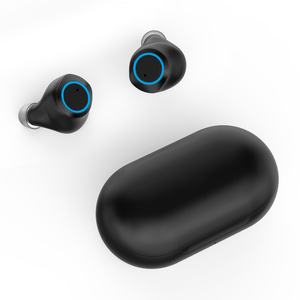
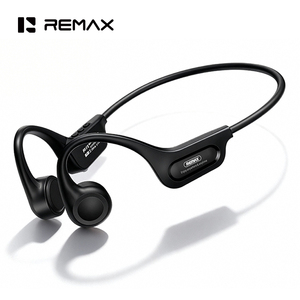
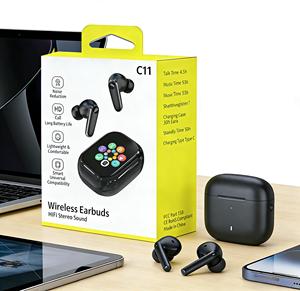
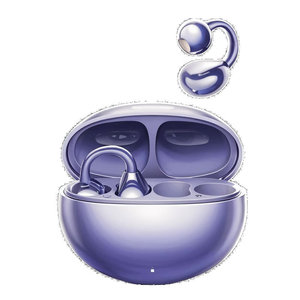
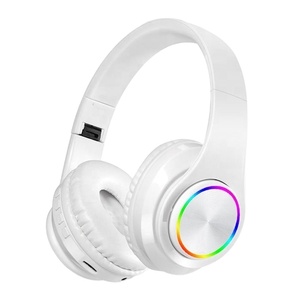
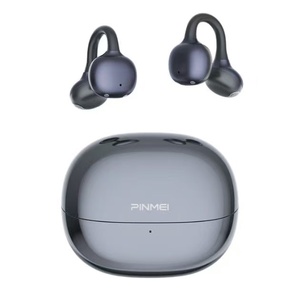
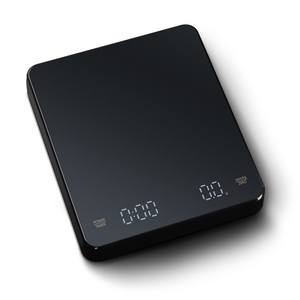
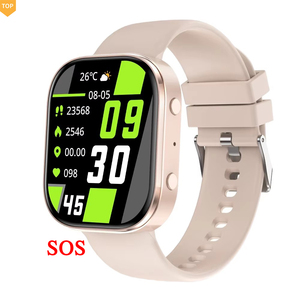
The boundary between soft outdoor textile gear and active consumer electronics is blurring rapidly. Modern athletes expect seamless connectivity during endurance activities. Leading Chinese manufacturers are now incorporating designated compartments for smart accessories—such as open-ear bone conduction headphones, TWS earbuds with ANC/ENC noise cancellation, smartwatches with SpO2/heart rate monitoring, and smart coffee/body scales for nutritional tracking. By co-developing smart hydration packs equipped with integrated cable routing ports, magnetic earbud docks, and inductive charging pockets, suppliers provide brand owners with a unified product ecosystem.
Trend 2: Sustainable & Circular Material Mandates
Global environmental regulations (including the EU Green Deal and US state-level ESG requirements) require brands to reduce virgin plastics. Top suppliers in China are adopting GRS-certified (Global Recycled Standard) rPET fabrics derived from post-consumer plastic bottles. Furthermore, TPU bladder production lines are shifting toward biodegradable bio-based polyols extracted from renewable plant starches, allowing brands to market fully circular products without sacrificing pressure integrity.
Trend 3: Rapid Prototyping & Agile Flexible Manufacturing
To minimize inventory risk in fast-moving retail channels, buyers are demanding lower Minimum Order Quantities (MOQs) with accelerated prototyping cycles. Utilizing 3D CAD pattern design software, virtual sewing simulation, and automated laser fabric cutters, top-tier factories can transition from initial tech-pack sketch to physical sample in under 5 business days, dramatically shortening time-to-market.
4. Quality Assurance & Factory Evaluation Framework
When auditing potential Chinese hydration pack suppliers, B2B procurement teams must verify that factories adhere to a rigorous 4-step quality control matrix:
- IQC (Incoming Quality Control): Spectrophotometric color matching, hydrostatic head water-pressure testing on fabrics, and tensile stress verification on all buckles and zippers (YKK or SBS brand testing).
- IPQC (In-Process Quality Control): Inline checking of stitch density (minimum 8-10 stitches per inch), seam taping temperature controls, and ultrasonic welding bond integrity.
- 100% Pneumatic Leak Testing: Every single hydration bladder or soft flask is inflated with compressed air at 0.3 bar for 24 hours to ensure absolute zero micro-leakage.
- FQC (Final Quality Control): Random AQL 2.5 sampling inspections covering drop tests, load-bearing strap jerk testing (up to 10,000 cycles), and salt-spray corrosion resistance on metallic components.