


1. Executive Summary & Market Landscape: China's Running Belt Pouch Industry
The global athletic gear and outdoor accessory market has experienced unprecedented structural growth over the past decade, driven by rising participation in marathons, trail running, fitness trekking, and urban commuting. At the core of modern athletic convenience lies the running belt pouch—a specialized, high-performance textile pouch engineered to carry large-screen smartphones, hydration flasks, biometric smart sensors, and audio devices without compromising athletic movement.
China has solidified its position as the world's primary manufacturing powerhouse for technical running pouches, controlling over 85% of global OEM/ODM output. Clusters in Fujian (Quanzhou, Xiamen), Zhejiang (Yiwu, Ningbo), and Guangdong (Dongguan, Shenzhen) offer unparalleled advantages across raw material supply chains, automated sewing techniques, bonded TPU lamination, and integrated electronics manufacturing.
Fujian Manufacturing Cluster
Specializes in high-stretch lycra, neoprene molding, marathon hydration belts, and high-frequency seamless welding. Ideal for premium technical athletic brands demanding zero-bounce ergonomics.
Guangdong Tech & Ecosystem Hub
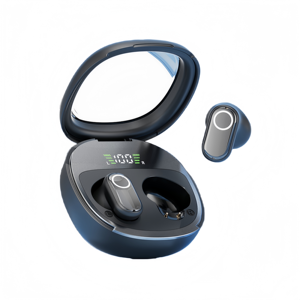
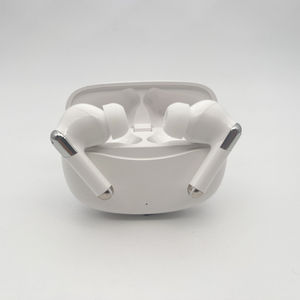
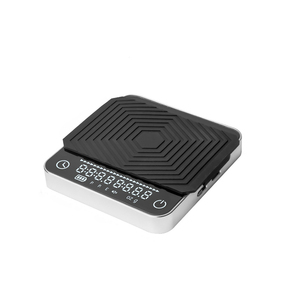
Pioneers the fusion of textile bags with wearable electronics, housing dedicated pockets for smart scale accessories, TWS audio cases, and Bluetooth transmitter units.
Zhejiang Cost-Efficiency Hub
Leads in rapid prototyping, mass volume scalability, promotional event customization, and flexible low-MOQ sourcing options for e-commerce and retail brands.
2. Engineering Innovation & Material Breakthroughs in Running Pouches
Modern international procurement buyers no longer evaluate running belt pouches purely on unit price. Selection criteria have evolved toward sophisticated engineering metrics including hydrostatic head ratings (waterproofing), bounce-coefficient management, and multi-device compartmentalization.
A. Anti-Bounce Ergonomic Architecture
Traditional elastic belts suffer from rotational movement and vertical oscillation during high-intensity strides. Leading Chinese exporters utilize 3D anatomical contouring with dual-adjust tension buckles and silicone friction grippers integrated directly into the interior waistband. This creates a friction-locked stability layer against technical performance fabrics.
B. Advanced Waterproofing & Moisture-Wicking Fabrics
Sweat vapor and heavy precipitation are primary causes of device failure in activewear accessories. Top-tier factories deploy composite multi-layer textile matrices:
- Outer Layer: 40D Hydrophobic Ripstop Nylon or 70D Ultra-Stretch Spandex coated with Durable Water Repellent (DWR) C6 technology.
- Membrane Core: Micro-porous Thermoplastic Polyurethane (TPU) film boasting >10,000mm H2O hydrostatic pressure resistance.
- Inner Lining: Moisture-wicking 3D honeycomb air mesh that optimizes skin ventilation while providing tactile cushioning.
| Material Matrix Type | Tensile Elasticity | Waterproofing Rating | Air Permeability | Primary B2B Target Market |
|---|---|---|---|---|
| Spandex-Lycra TPU Laminate | 220% Elongation | IPX7 Water Sealed | Medium (Rear Mesh) | Ultra-Marathon & Pro Runners |
| 40D Ripstop Nylon DWR | 120% Elastic Trim | IPX5 Rainproof | High Breathability | Urban Jogging & Outdoor Hiking |
| Perforated Neoprene Composite | 160% Contoured | Sweat-Resistant Barrier | Vented Airflow Channels | Tactical Fitness & Hydration Packs |
| Recycled GRS PET Fabric | 180% Eco-Spandex | DWR Eco-Coating | High Comfort Mesh | Sustainable Retail & Global OEMs |
3. Future Procurement Trends: 2025–2030 Strategic Sourcing Intelligence
As consumer preference shifts toward holistic active lifestyle ecosystems, running belt pouches are transitioning from passive carrying bags to active components of connected health setups. B2B buyers must align their procurement strategies with four key future dynamics:
Trend 1: Smart Ecosystem Integration (Wearables + Audio + Hydration)
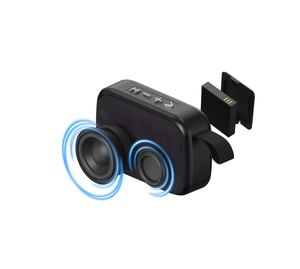
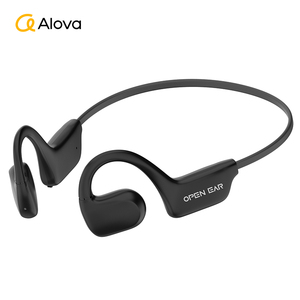
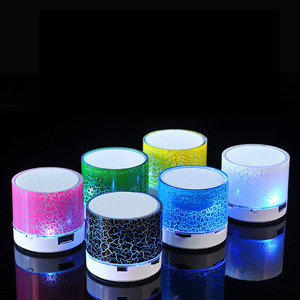
Modern consumers carry an interconnected suite of lifestyle devices—smartwatches tracking heart metrics, open-ear air-conduction headphones for acoustic awareness, mini Bluetooth speakers for group runs, and insulated hydro bottles. Leading Chinese exporters now design pouches featuring cable pass-through grommets, magnetic earbud charging storage docks, and dedicated insulated hydration holster slots.
Trend 2: GRS Certification & Sustainable Production Pathways
Environmental, Social, and Governance (ESG) compliance is now mandatory for European and North American retail placement. Leading factories in China are certified under the Global Recycled Standard (GRS), offering post-consumer recycled PET fabrics, PFC-free water repellents, and 100% biodegradable polybag packaging.
Trend 3: Seamless Bonded Construction (Sew-Free High Frequency Welding)
Traditional needle stitch lines create micro-punctures through which water and sweat penetrate. The next decade of export manufacturing belongs to high-frequency ultrasound seam welding and laser-cut hot-melt taping, yielding completely seamless, lightweight running pouches with a sleek aesthetic.